Getting Started with Trezor: A Beginner's Guide to Secure Crypto Wallet Setup
In the fast-paced world of cryptocurrency, securing your digital assets is paramount. If you're new to crypto or looking to enhance your security, Trezor.io/start is your gateway to one of the most trusted hardware wallets available. Designed by SatoshiLabs, Trezor offers a robust solution for individuals who want to trade, send and receive crypto, set up price alerts, and manage their portfolio with peace of mind. This guide walks you through the essentials, ensuring you get up and running smoothly while prioritizing user-friendly steps and best practices.
Why Choose Trezor for Your Crypto Journey?
Trezor stands out in the crowded crypto wallet market due to its emphasis on security and simplicity. Unlike software wallets that are vulnerable to online hacks, Trezor is a hardware device that keeps your private keys offline, making it nearly impossible for cybercriminals to access your funds without physical possession. For those eager to dive into trading, sending, or receiving cryptocurrencies like Bitcoin, Ethereum, or altcoins, Trezor provides a seamless interface through its Trezor Suite app.
One key advantage is its open-source nature, which allows the community to audit the code for vulnerabilities. This transparency builds trust, especially for users concerned about data privacy. Additionally, Trezor supports over 1,000 cryptocurrencies, giving you flexibility whether you're a casual holder or an active trader. Features like price alerts help you stay informed about market fluctuations, enabling timely decisions without constant monitoring.
Getting started at Trezor.io/start is straightforward, even for beginners. The process involves unboxing your device, connecting it to your computer or mobile, and setting up your wallet. This initial setup not only secures your assets but also introduces you to tools for everyday crypto activities.
Step-by-Step Setup from Trezor.io/Start
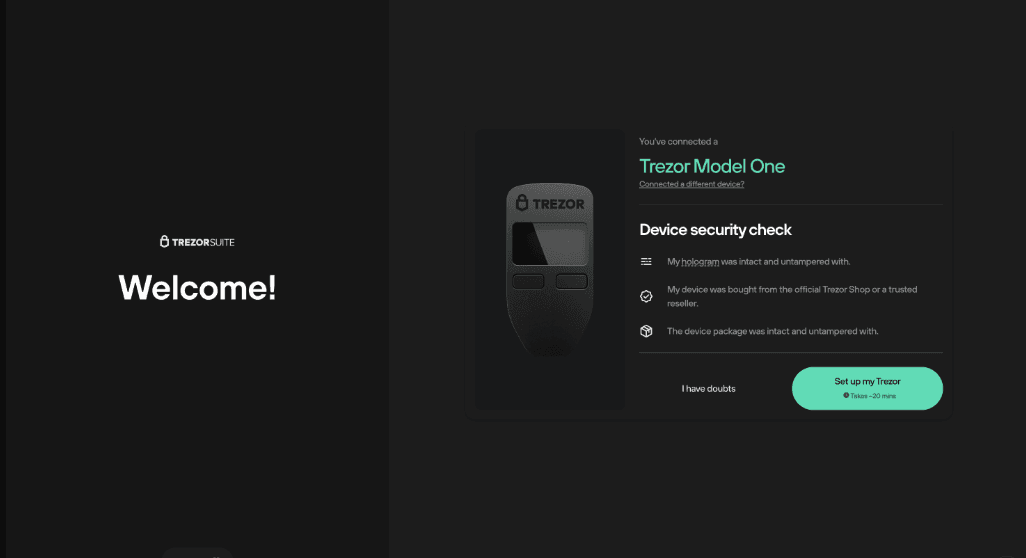
To begin, head over to Trezor.io/start. This page is your central hub for initializing your Trezor hardware wallet. First, ensure you have purchased an authentic Trezor device from the official website or authorized resellers to avoid counterfeits. Once you have it in hand, follow these user-friendly steps.
Start by downloading the Trezor Suite application from the official site. This desktop or mobile app acts as the bridge between your hardware wallet and the digital world. After installation, connect your Trezor device via USB. The screen on the device will prompt you to confirm the connection, adding an extra layer of security.
Next, you'll create a new wallet or recover an existing one. For new users, the system generates a 12- or 24-word recovery seed phrase. Write this down on the provided recovery sheet and store it in a safe place—never digitally. This phrase is your lifeline if you lose access to the device. Trezor.io/start guides you through verifying this seed on the device itself, ensuring no one else can intercept it.
Once set up, update the firmware if prompted. Firmware updates enhance security and add new features, like support for emerging coins. The process is quick and guided, minimizing any technical hurdles.
Sending and Receiving Crypto with Ease
With your Trezor wallet ready, sending and receiving cryptocurrencies becomes intuitive. In the Trezor Suite, select the coin you want to transact with. To receive, generate a public address by clicking "Receive." This address is safe to share, and you can even add a label for better organization. For added convenience, Trezor supports QR codes, making mobile transactions effortless.
Sending crypto is just as simple. Enter the recipient's address, amount, and any custom fee if you want to speed up the transaction. Before confirming, Trezor requires physical button presses on the device to approve, preventing unauthorized sends. This feature is invaluable for traders who frequently move funds between exchanges or wallets.
For those integrating with trading platforms, Trezor connects seamlessly with services like Exodus or third-party apps via WalletConnect. This allows you to trade directly while keeping keys offline, reducing risks associated with hot wallets.
Trading Crypto Securely Using Trezor
Trading enthusiasts will appreciate Trezor's integration capabilities. While the hardware wallet itself doesn't host trades, it pairs with exchanges through secure APIs. For instance, you can link your Trezor to platforms like Binance or Kraken for buying and selling without exposing your private keys.
Set up price alerts within the Trezor Suite to monitor market movements. Customize notifications for specific coins, thresholds, or percentage changes. This keeps you proactive—get an alert when Bitcoin dips below $50,000, for example, and decide if it's time to buy or sell. Such tools empower individuals to trade smarter, avoiding emotional decisions driven by FOMO or panic.
Remember, always verify transaction details on the device's screen before confirming. This shamir backup and multi-signature support further bolster security for high-volume traders.
Getting Price Alerts and Advanced Features
Price alerts are a game-changer for staying ahead in crypto's volatile market. In Trezor Suite, navigate to the "Alerts" section and set parameters for your watched assets. Choose email or in-app notifications, and specify conditions like price above/below a value or significant volume spikes.
Beyond basics, Trezor offers advanced features like coin control for managing UTXOs in Bitcoin, which optimizes fees and privacy. For privacy-focused users, integration with Tor networks hides your IP during transactions. You can also enable passphrase protection for an extra security layer, creating hidden wallets.
For portfolio management, the Suite provides real-time balances, historical charts, and export options for tax reporting. This holistic approach suits individuals juggling multiple cryptos, ensuring everything from trading to long-term holding is covered.
Best Practices for Security and Maintenance
Security doesn't end at setup. Regularly back up your recovery seed and test recovery processes. Avoid phishing sites mimicking Trezor.io/start—always bookmark the official URL. Enable two-factor authentication on linked accounts and use strong, unique passwords.
Maintenance involves keeping firmware and software updated. Trezor notifies you of releases, which often include bug fixes and new coin support. If you're traveling, the mobile app compatibility ensures you can send/receive on the go without compromising security.
In case of issues, Trezor's support resources at Trezor.io/start include FAQs, tutorials, and community forums. Engaging with these can enhance your experience and troubleshoot common hiccups.
Conclusion: Empower Your Crypto Experience
Trezor.io/start opens the door to a secure, user-centric crypto world. Whether you're trading actively, sending funds to friends, receiving payments, or setting price alerts, Trezor equips you with tools that prioritize safety without sacrificing convenience. By following this guide, you'll confidently manage your digital assets, ready to navigate the exciting realm of cryptocurrency. Start today and take control of your financial future.